Kashmir by Train
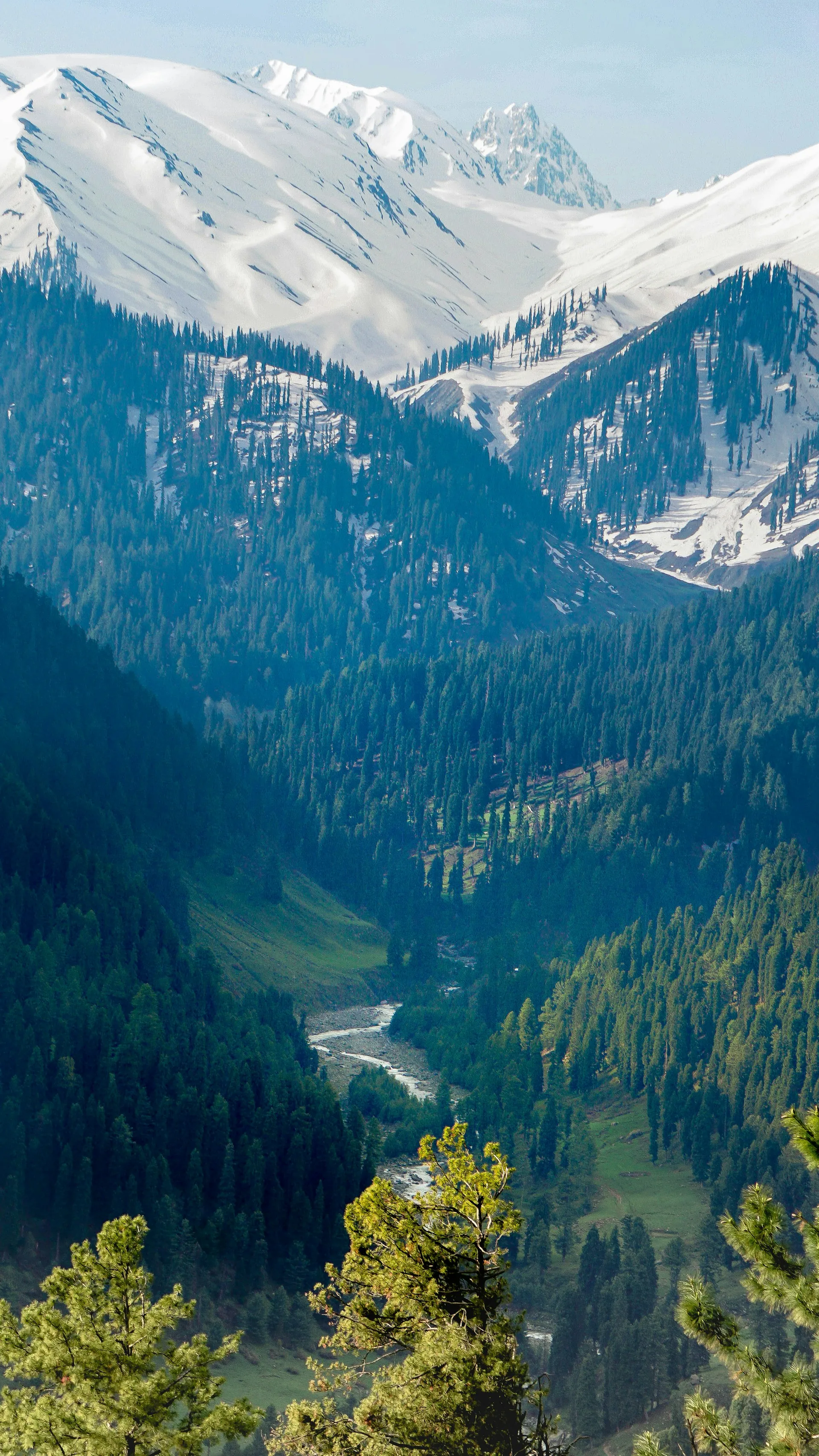
For most of the last century you could not reach the Kashmir valley by train. That changed in June 2025, when the Udhampur–Srinagar–Baramulla rail link finally opened along its full length and a Vande Bharat began running from Katra into Srinagar, through a chain of tunnels and across the Chenab bridge — the highest railway bridge in the world. The line took 127 years from first survey to first passenger.
It has changed how people arrive here, and the questions we get have changed with it. This page is what we tell callers, written down. It is accurate as of August 2026; rail timings and services in this corridor are still settling, so confirm anything time-critical on IRCTC before you book flights around it.
How the journey actually works today
-
01
New Delhi to Katra
The fastest option is the morning Vande Bharat 22439, leaving New Delhi around 06:00 and reaching Shri Mata Vaishno Devi Katra around 14:20 — it runs six days a week, not on Wednesdays. There is also an afternoon service, 22477, departing about 15:00 and arriving around 23:20. Overnight sleeper trains to Katra and Jammu run too, and are cheaper.
-
02
A night in Katra — or a pilgrimage
The two legs do not connect the same day, so you overnight in Katra. Most people treat that as a bonus rather than a cost: Katra is the base for the Vaishno Devi shrine, and a great many travellers now build the darshan into the journey rather than working around it.
-
03
Katra to Srinagar by Vande Bharat
The famous leg. Departure from Katra is around 08:10, arrival in Srinagar around 11:20 — roughly three hours and ten minutes through the tunnels of the Pir Panjal and across the Chenab. Seats sold out within hours when the service launched and it still fills fast in season.
-
04
Srinagar station to your houseboat
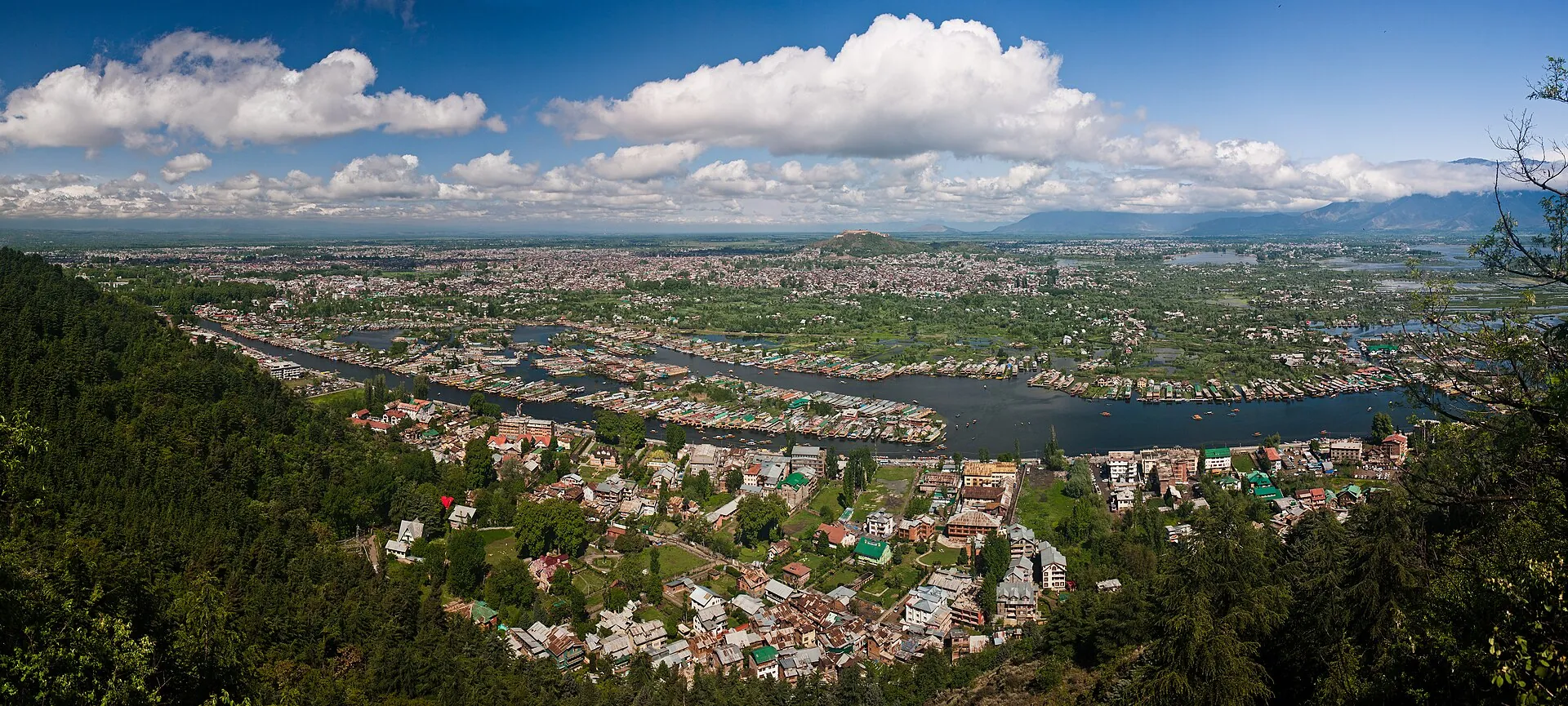
Srinagar's station is at Nowgam, about 12 km from the Dal Lake boulevard, thirty to forty minutes in city traffic. We meet guests off the train exactly as we meet them off a flight, included in every package.
The direct Delhi–Srinagar train
This is the question we are asked most, so here is the honest position. A direct overnight New Delhi–Srinagar Vande Bharat sleeper has been widely reported as expected around late 2026, with a mooted departure near 19:00 and arrival around 08:00 — about thirteen hours — and indicative fares in the region of ₹2,000 for 3-tier AC, ₹2,500 for 2-tier and ₹3,000 for first AC.
None of that is confirmed. The corridor still needs final certification for sleeper operation at speed, and Jammu Tawi station is mid-redevelopment. We would not plan a holiday around a service that has not opened for booking, and we will not sell you one. When it starts running, this page will say so and the fares here will be the real ones.
Train or plane? An honest comparison
We have no stake in which you choose — we do not sell tickets for either, and we do not mark up rail bookings. So: flying Delhi to Srinagar takes about eighty minutes and costs roughly ₹4,000 to ₹7,000 return if booked six weeks ahead. The rail route costs less in fare and about two days in time.
Take the train if the journey is part of the point, if you want Vaishno Devi in the same trip, if you are travelling with people who would rather not fly, or if you are coming in a large group where the fare difference multiplies. Fly if your leave is short. Those are the real trade-offs; anyone telling you the train is simply better is selling something.
Good to know
Book it yourself, on IRCTC
We do not mark up rail tickets and we would rather you kept the difference. Book through IRCTC or a station counter the moment the window opens — this corridor fills faster than almost anything else on the network.
Coming from the south
From Bangalore, Chennai or Hyderabad the full rail journey runs to two nights before you even reach Katra. Flying to Delhi or Srinagar and using rail only for the Katra–Srinagar leg is the sane compromise, and it still gives you the bridge.
Winter is different
The rail line is far less weather-dependent than the Jammu–Srinagar highway, which is its quiet advantage. But heavy snow can still disrupt schedules, and a January itinerary should carry a day of slack whichever way you arrive.
Tell us how you are arriving
Train arrivals land late morning rather than at the scattered hours flights do, which changes day one of an itinerary. Say so when you enquire and we will build the first day around the train instead of squeezing it in.
Questions people ask
Not yet, as of August 2026. You travel in two legs: New Delhi to Katra by train, then the Katra–Srinagar Vande Bharat through the tunnels and over the Chenab bridge. A direct overnight New Delhi–Srinagar Vande Bharat sleeper has been widely reported as expected around late 2026, but it depends on final certification of the corridor, so treat any date you read as provisional until Indian Railways opens bookings.
About three hours and ten minutes. The Vande Bharat has been running commercially since June 2025, leaving Katra around 08:10 and reaching Srinagar around 11:20. Always confirm the current timing on IRCTC before you plan around it.
Usually yes, but not dramatically. A Delhi–Srinagar return flight booked six weeks out runs roughly ₹4,000 to ₹7,000 and takes about eighty minutes. The rail route costs less in fare but two days in travel time. People choose the train for the journey itself, to add Vaishno Devi at Katra, or because they would rather not fly — not to save a large amount of money.
Srinagar's station is at Nowgam, roughly 12 km southwest of the Dal Lake boulevard, about thirty to forty minutes depending on city traffic. We meet guests at the station the same way we meet them at the airport, at no extra charge on any of our packages.
Yes, through IRCTC or a station counter, and you should — we do not mark up rail tickets. Book the moment the window opens, because seats on the Katra–Srinagar service went within hours when it launched and it still fills quickly in season.