Srinagar
Srinagar is where every Kashmir trip begins and ends, and it deserves more than the night either side of the mountains that most itineraries give it. The city is built around water: Dal Lake and the smaller, quieter Nigeen, threaded with lotus channels, lined with carved cedar houseboats and worked every morning by traders who sell vegetables from their boats.
Behind the lake is a city four centuries older than the tourism, with Mughal gardens terraced up the Zabarwan foothills, shrines and mosques in the old quarter, and workshops still turning out papier-mâché, walnut wood and pashmina by hand. Two nights is the minimum. Three lets you see it properly.
What to do in Srinagar
-
01
Stay on a houseboat
The carved cedar houseboats on Dal and Nigeen are the signature Kashmir experience. They are heated, have attached bathrooms, and most people find two nights afloat and the rest in hotels the right balance.
-
02
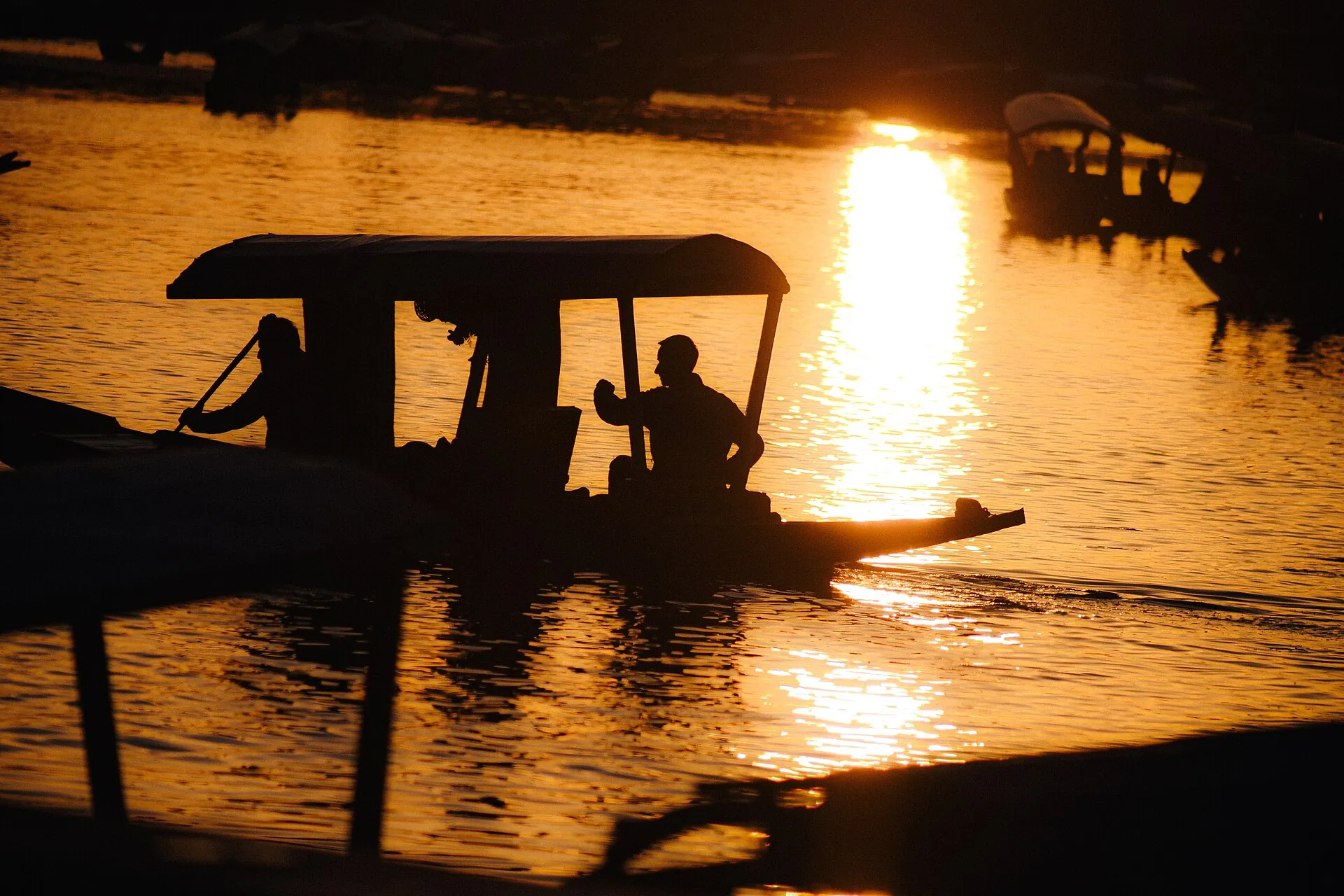
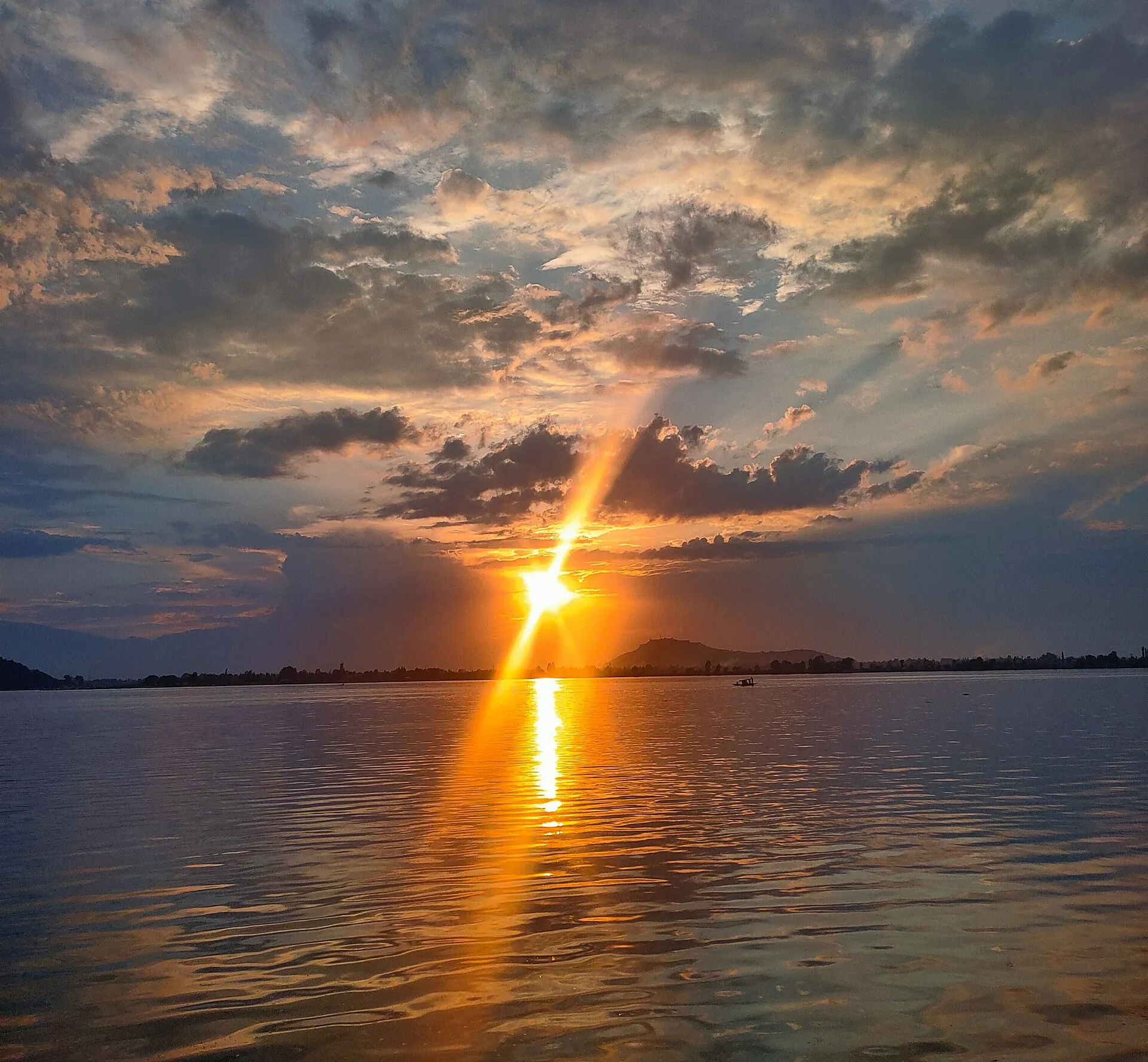
Take a shikara at golden hour
An hour on the water as the light goes is the single best thing you can do in Srinagar. The lotus channels behind the main lake are quieter and more interesting than the open water.
-
03
Nishat and Shalimar Bagh
The great Mughal terraced gardens, laid out in the seventeenth century with the lake below and the hills behind. Shalimar was built by Jahangir for his wife. Go late in the afternoon.
-
04
The dawn floating market
Traders meet on the water an hour after sunrise to trade vegetables boat to boat, as they have for generations. It requires an early start and it is worth it.
-
05
The old city
Jamia Masjid with its forest of deodar columns, the shrine at Hazratbal on the lake's north shore, and the craft workshops off Zaina Kadal where papier-mâché and pashmina are still made by hand.
-
06
Pari Mahal at sunset
A terraced Mughal-era pavilion above the city with the widest view over Dal Lake. The best last stop of any Srinagar day.
Best time to visit
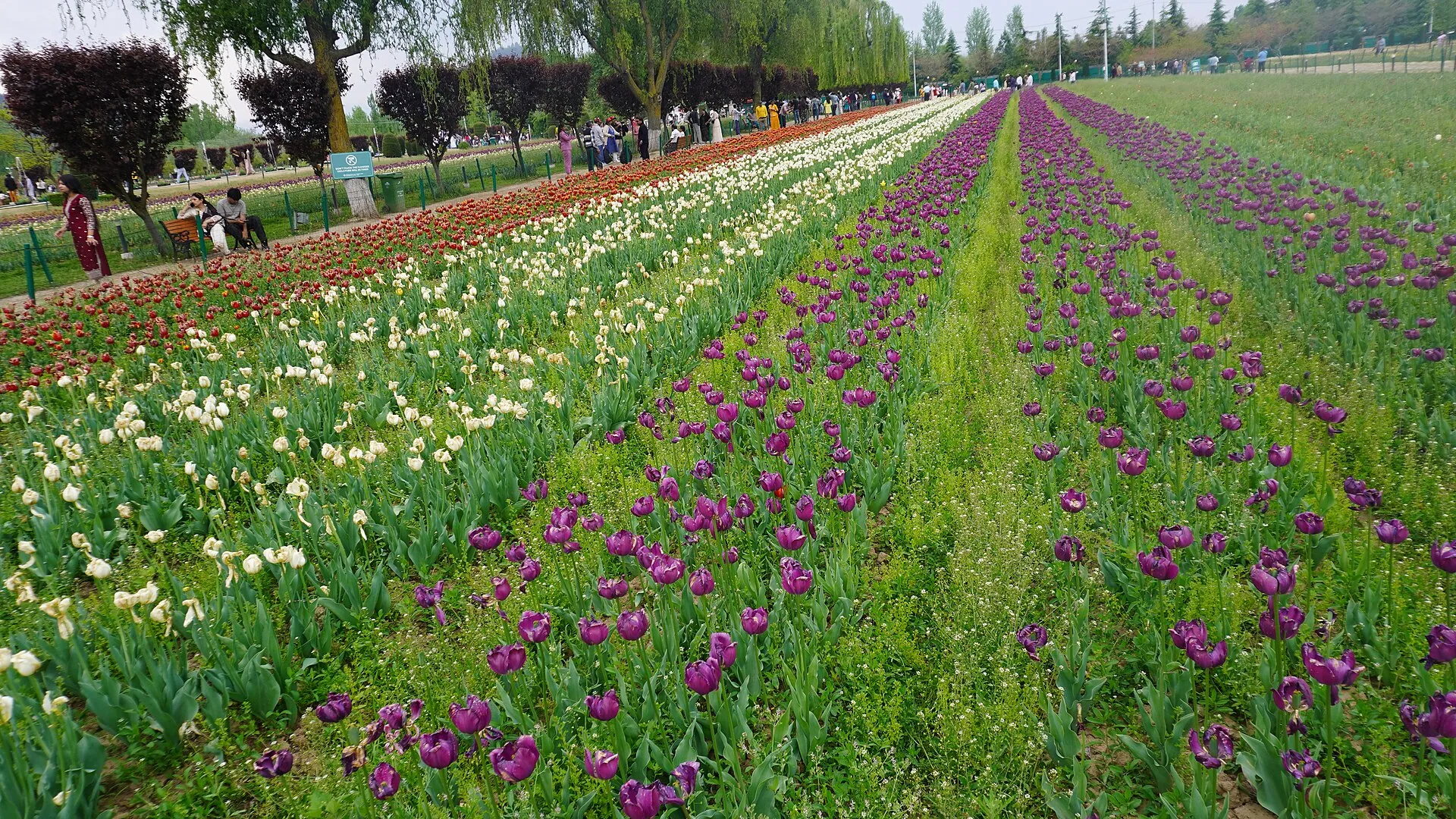
Srinagar works all year, which is unusual in Kashmir. April brings the tulips and blossom, June to August is warm and green, September to November gives the chinars turning gold and crimson, and December to February is cold, quiet and beautiful, with ice at the lake edges and the fewest visitors of the year.
Good to know
Getting there
Srinagar International Airport (SXR) takes direct flights from Delhi, Mumbai, Bengaluru and other Indian cities, and is about 30 minutes from the Boulevard. Jammu is the nearest major railhead, roughly seven hours away by road.
Houseboat or hotel
Houseboats are the experience; hotels are more practical for early starts and heavy luggage. Most of our itineraries split the stay between the two rather than choosing.
Shopping
Pashmina, papier-mâché, walnut wood and saffron are all genuinely local. They are also widely faked. Buy through your driver or trip manager rather than from whoever approaches you on the Boulevard.
Getting around
The lake side of the city is walkable and pleasant. For the old city and Hazratbal you will want the car. Traffic in the centre is slow in the late afternoon.
Questions people ask
Two nights is the workable minimum and covers the lake, one set of Mughal gardens and a little of the old city. Three nights lets you add the dawn floating market, Pari Mahal and the craft workshops without rushing.
Yes. The houseboats we use are heated, with attached bathrooms and hot water, and meals are cooked on board. Most visitors prefer a mix, with two nights afloat and the rest in hotels.
Srinagar is a year-round city. April for tulips and blossom, June to August for warm green days, September to November for autumn chinars, and December to February for snow and quiet.
About 30 minutes by road in normal traffic. Airport pick-up and drop is included in every package we run.