Kashmir Great Lakes Trek
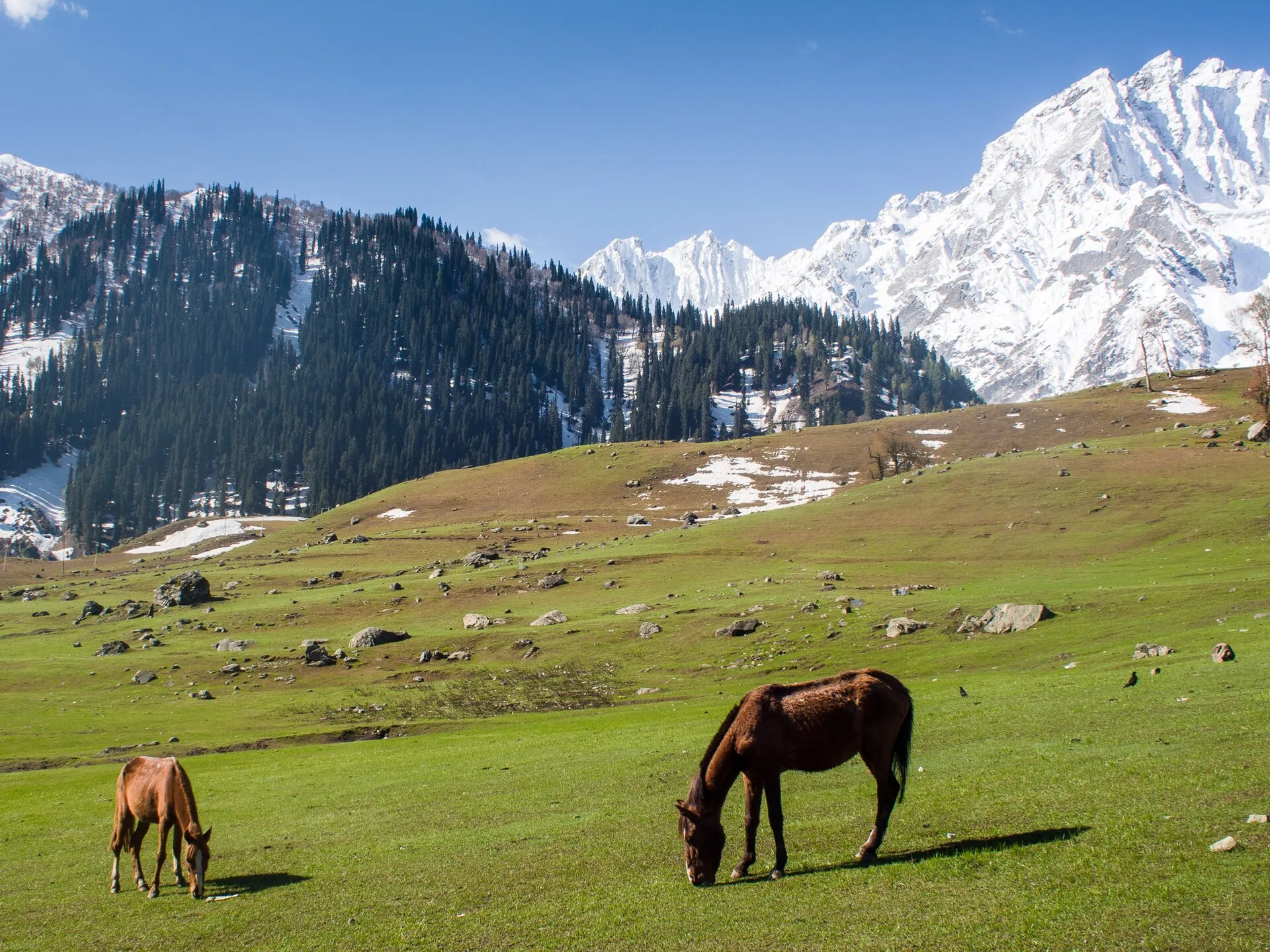
The Great Lakes is the trek people mean when they say they want to walk in Kashmir. Roughly 70 km over seven days, starting at Sonamarg at about 2,740 m and finishing at Naranag at 2,250 m, crossing several passes and camping beside six alpine lakes on the way. It has a fair claim to being the most beautiful multi-day route in India.
One honest note before the detail. This is a specialist high-altitude trek run by dedicated trekking companies with their own guides, camps and safety cover, and that is who you should book the trail itself with. What we do is the rest: getting you to Kashmir, the nights in Srinagar at either end, the transfer to the trailhead, and picking you up at Naranag when you come down. This page is here because we are asked about the trek constantly and the information online is mostly sales copy.
The route, day by day
-
01
Sonamarg to Nichnai
About 9 km and six hours, climbing from roughly 7,800 ft to 11,500 ft through the Shekdur maples and out above the treeline. The steepest gain of the whole route sits in this first day, which catches a lot of people out.
-
02
Nichnai to Vishansar
Roughly 12 km over the Nichnai Pass at about 13,100 ft, then down into the Vishansar meadow. Your first lake, and the first night most people describe as unreasonably cold for July.
-
03
Vishansar to Gadsar
Past Krishansar and up to Gadsar Pass at about 13,750 ft — the high point of the trek and the view everyone comes for, with both lakes behind you and the Gadsar lake below. Long day, and the one to be properly rested for.
-
04
Gadsar to Satsar
Across to the Satsar group, a scatter of small lakes rather than one, over boulder ground that is slower than the distance suggests. Army check post along the way; carry ID.
-
05
Satsar to Gangabal
Over the Zaj Pass and down to the twin lakes of Gangabal and Nundkol under Harmukh at 16,870 ft. For most trekkers this is the best campsite in Kashmir and the reason they came.
-
06
Gangabal to Naranag
The long descent, roughly 13 km and around 6,000 ft down, which is harder on knees than anything on the way up. Naranag has an eighth-century Shiva temple complex worth an hour before you drive back to Srinagar.
How hard is it, honestly
Moderate to difficult. Nothing on the route is technical and you need no climbing skill or equipment beyond good boots, but it is seven consecutive days living above 3,000 m, with several pass crossings and daily walks of nine to twelve kilometres taking five to seven hours. There is no road bail-out for most of it.
It is not a first trek, and the people who struggle are almost always those who treated it as a scenic walk. If you have done a Himalayan multi-day route before and you spend six weeks getting your cardio in order beforehand, you will enjoy it. If you have not, do something shorter first — the Great Lakes will still be here.
When to go, and what it costs
July to September
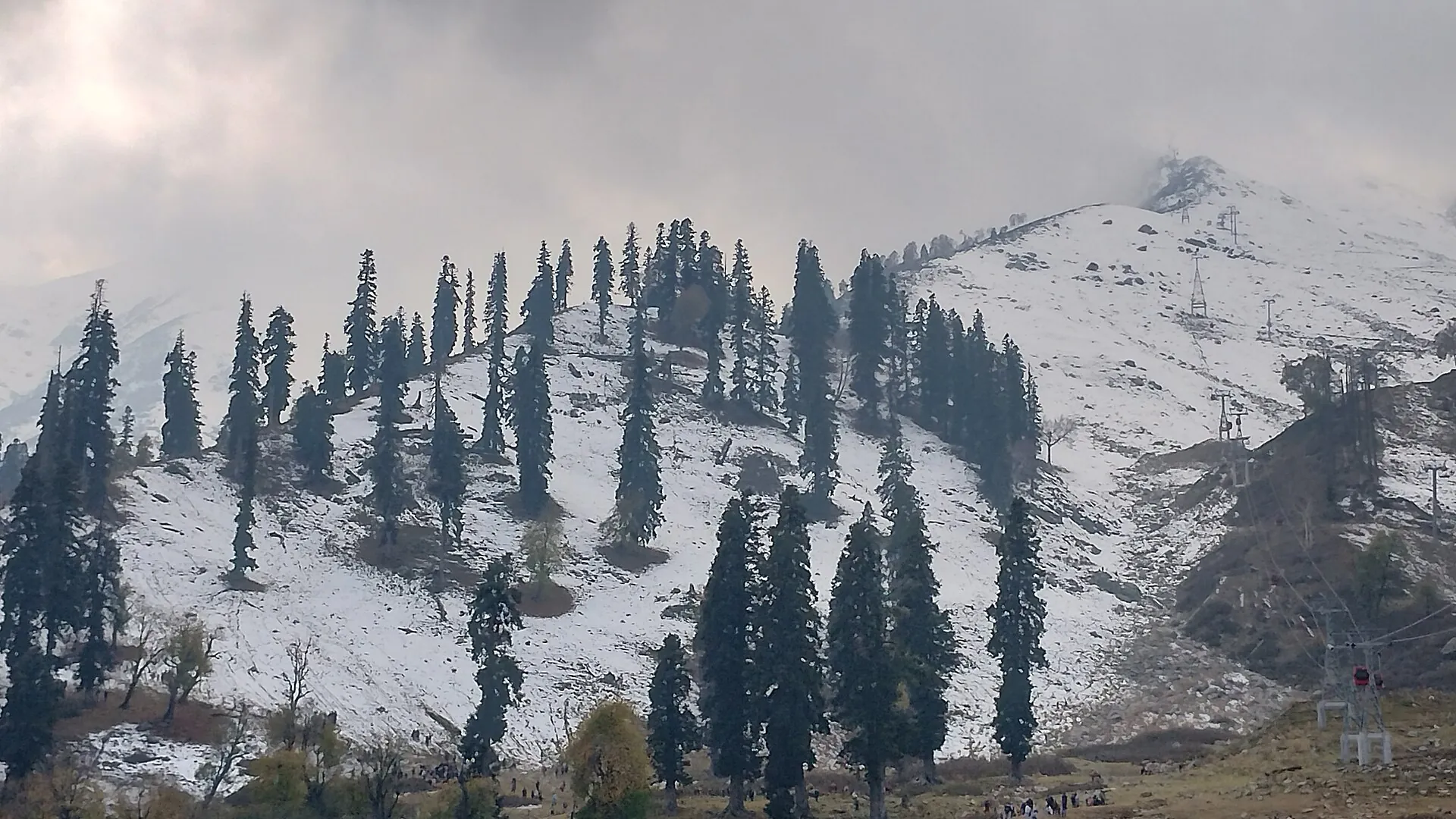
The season runs June to September. June often still has snow on the passes and partly frozen lakes; October risks an early storm at altitude. Mid-July to early September is the dependable window, and August is when the meadows are fullest.
Roughly ₹14,500–20,000
What specialist trekking companies commonly charge for the seven days, covering guides, camping, trail meals and permits. It excludes reaching Kashmir, Srinagar nights either side and the trailhead transfer.
Build in two spare days
One before to acclimatise and shake off the flight, one after because descents run late and nobody wants to make a same-day flight from Naranag. This is the advice trekkers most often ignore and most often regret.
What we handle
Srinagar stays at both ends, the drive to Sonamarg, pickup at Naranag, and a local number that answers while you are off-grid. We will also tell you frankly which trek operators our guests come back happy with.
Questions people ask
Seven days on the trail is standard, and some operators run it in eight with an acclimatisation or buffer day. The route covers roughly 70 km from Sonamarg to Naranag, with most days involving 9 to 12 km and five to seven hours of walking.
Moderate to difficult. It is not technical and needs no climbing skill, but it is seven consecutive days above 3,000 m with several passes, the highest being Gadsar at about 13,750 ft. It is not a first trek. Anyone who has done a Himalayan multi-day route before and trains beforehand will manage it.
July to September. The season runs June to September, but June often still has snow on the passes and the lakes may be partly frozen, while October brings the risk of an early storm at altitude. Mid-July to early September is the dependable window.
Specialist trekking companies commonly price the seven-day route from around ₹14,500 to ₹20,000 per person, covering guides, camping, meals on the trail and permits. That does not include getting to Kashmir, nights in Srinagar at either end, or transport to the trailhead.
Vishansar and Krishansar in the first half, then Gadsar below its pass, the Satsar group, and finally Gangabal and Nundkol beneath Harmukh before the descent to Naranag.