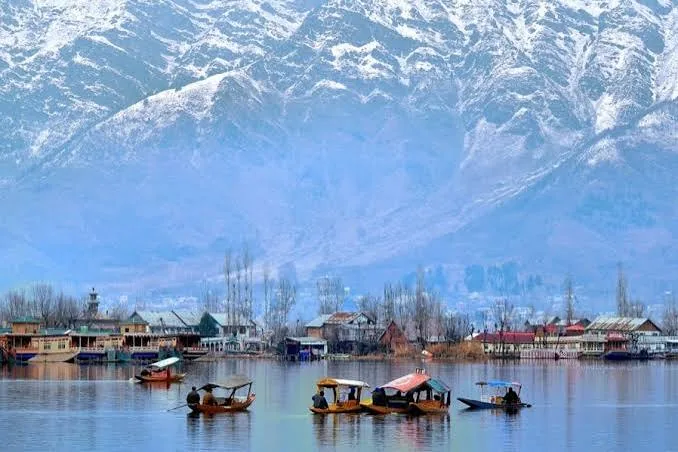
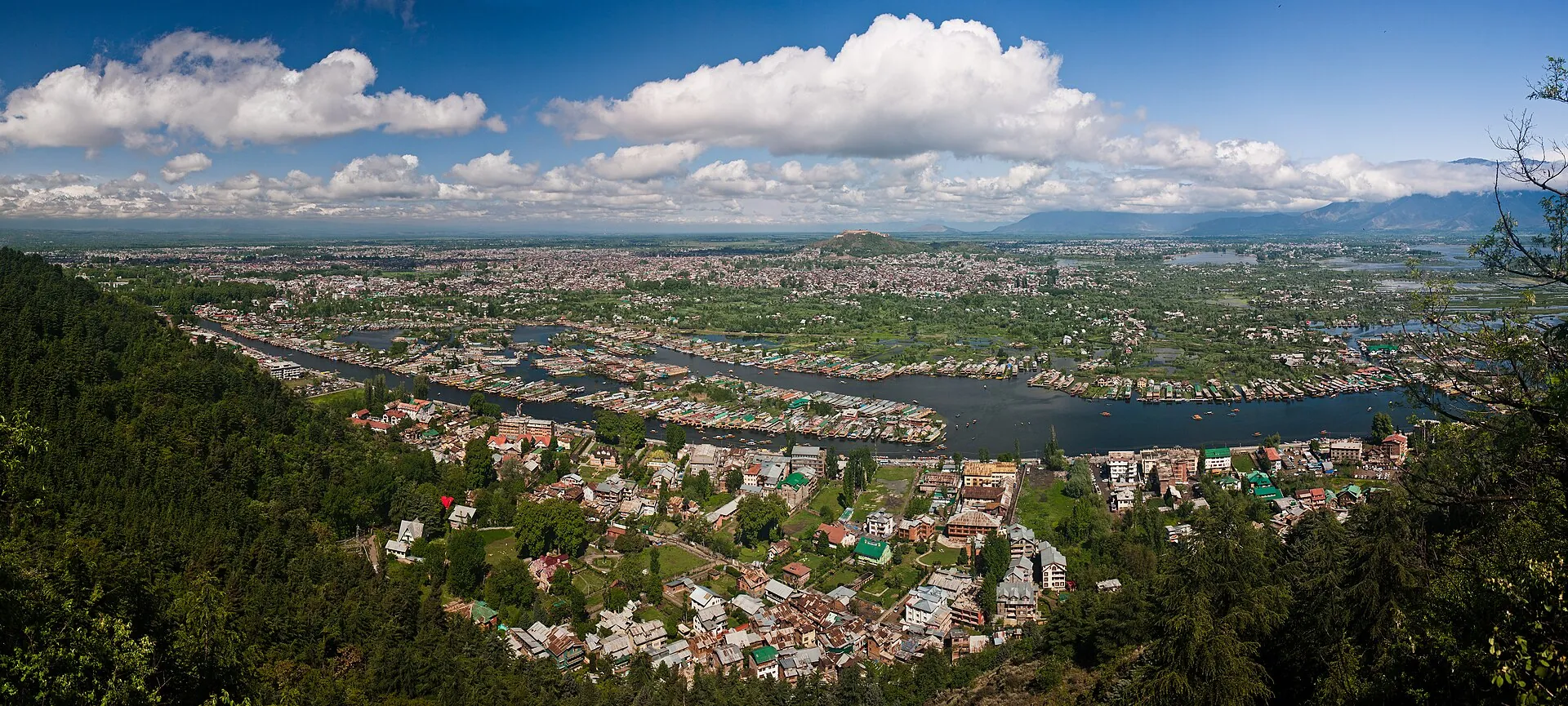
The thing to understand about packing for Kashmir is that you are packing for two climates on the same day. Srinagar sits at 1,585 m and can be pleasantly warm at noon. The top of the Gulmarg gondola is at 3,980 m and can be below freezing at the same moment. Almost every packing mistake we see comes from planning for the valley floor and forgetting the mountain.
The universal rule: layers, always
Whatever month you come, the answer is layers rather than one heavy thing. A base layer, a fleece or mid-layer, and a windproof outer shell will cover you from a June meadow to a January houseboat. A single thick coat is worse than three thin things, because you cannot take part of it off.
- Base layer — thermal in winter, a normal long sleeve otherwise
- Mid layer — fleece or light down
- Outer shell — windproof and ideally waterproof
- Something for the evening — it gets cold by the lake after dark in every season
Season by season
Spring, March to May
Mild days and genuinely cold nights, with a real chance of rain in April. Bring a light waterproof, a fleece, and comfortable walking shoes with grip — the Tulip Garden terraces are a long gentle climb on gravel and the Mughal gardens involve a lot of standing on wet grass. Sunglasses matter more than people expect.
Summer, June to August
Comfortable, in the low to mid twenties on the valley floor, and the only season where you might genuinely want shorts — though modest dress is the local norm and appreciated. Still bring a fleece for Gulmarg and Sonamarg, which are cold whatever the calendar says. Sunscreen is essential; the altitude makes the sun much stronger than the temperature suggests.
Autumn, September to November
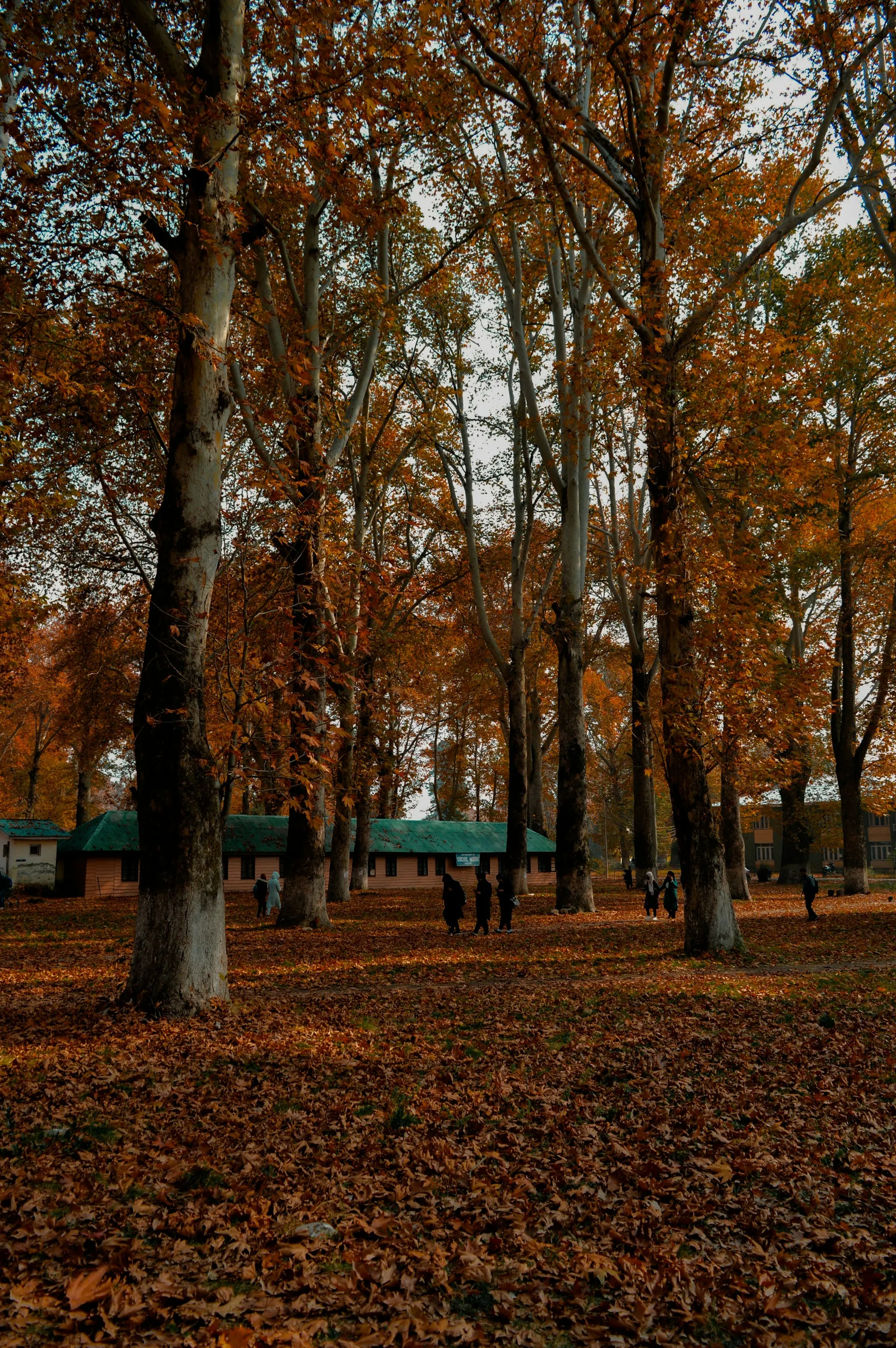
The best light of the year and a widening gap between day and night temperatures. September is mild; by November mornings are near freezing. Layers do all the work here. If you are coming for the chinars in October, bring a proper camera rather than relying on a phone — the colour is the point of the trip.
Winter, December to February
This is the season that needs real kit. Thermals, an insulated jacket, waterproof gloves, a hat that covers your ears, and boots with grip that you do not mind getting soaked.
- Waterproof boots. Not fashion boots. You will be standing in wet snow.
- Two pairs of gloves. One will get wet on the first day.
- Thermal socks, more than you think you need.
- Goggles or wraparound sunglasses. Snow glare at 3,980 m is fierce.
- High-factor sunscreen and lip balm. Sunburn in the snow is real and catches people out.
Ski gear and boots come with a lesson if you have booked one, so there is no need to bring skis. Personal kit — gloves, goggles, thermals — is not supplied and is what makes the difference to your day.
What visitors most often forget
- A power bank. Cold flattens phone batteries fast, and you will be photographing constantly.
- Cash. ATMs are reliable in Srinagar and much less so in Gurez, Doodhpathri and the higher villages. Union taxis, ponies and small shops are cash businesses.
- Any medication you rely on. Pharmacies outside Srinagar are limited. Bring more than the trip needs.
- Motion sickness tablets. The mountain roads wind, and this is the most common complaint we hear from families.
- A small daypack. For the layer you take off at midday and put back on at four.
Clothing and local norms
Kashmir is a conservative place and modest dress is the everyday norm. Nobody will demand anything of a visitor, but covering shoulders and knees is appreciated, particularly in the old city, at Hazratbal and in village areas. A scarf is useful for women visiting shrines and doubles as a layer, which makes it one of the more efficient things in your bag.
What not to bother bringing
Heavy formal clothes, a hairdryer — most hotels and houseboats have one — and large quantities of toiletries, which are easy to buy in Srinagar. Do not bring a drone unless you have checked current rules carefully; drone use is restricted in Jammu and Kashmir and the consequences of getting it wrong are not worth the footage.
One thing worth buying there
If you arrive underprepared for the cold, Srinagar is a good place to fix it. Pashmina, woollens and the local pheran are all made here. Buy through your driver or trip manager rather than from whoever approaches you on the Boulevard — fakes are common, and the difference between real pashmina and a convincing blend is not obvious to a visitor.
Packing by trip type
The season sets the baseline; what you are doing changes the details.
Honeymoon
You will be photographed more than on any other trip, so bring one outfit you actually like being seen in — the Betaab Valley photoshoot is the one people frame. Beyond that, the same layers as everyone else. Houseboats are heated but the deck at night is not, so something warm for a candle-lit dinner outdoors matters more than you would guess.
With children
A spare set of everything, because a child who gets wet in the snow at Gulmarg is a child whose day has ended. Waterproof over-trousers are worth more than an extra jumper. Motion sickness tablets for the winding stretch to Pahalgam. Snacks for the car, since roadside options between towns are limited.
Skiing in Gulmarg
Skis, boots and poles come with a lesson, so leave yours at home unless you are particular about them. Bring your own goggles, gloves and thermal base layers — the rental market covers hardware, not personal kit. A helmet is worth bringing if you have one.
Gurez and the offbeat valleys
This is the one trip where kit genuinely matters. Homestays are simple and heating is a stove rather than a radiator, so a warm sleeping layer helps. Carry cash, because ATMs are unreliable past Bandipora. Bring a power bank and accept that mobile signal is patchy to absent for two or three days.
A minimal five-day list
If you want the shortest workable list for a standard spring or autumn trip, this is it:
- Three base layers, two mid-layers, one windproof shell
- One pair of proper walking shoes with grip, plus something comfortable for evenings
- Sunglasses, sunscreen, lip balm
- Power bank and charging cable
- Cash for union taxis, ponies and small shops
- Any medication, in more than the quantity you need
- A scarf — layer, sun protection and shrine-appropriate cover in one
- A small daypack for the layers you shed at midday
If you are travelling in winter, add waterproof boots, a second pair of gloves, thermal socks and goggles to that list and you have covered essentially everything.
Questions people ask
Layers in every season: a base layer, a fleece or light down mid-layer, and a windproof outer shell. Srinagar can be warm while the top of the Gulmarg gondola is below freezing on the same afternoon, so a single heavy coat is less useful than three thinner things.
Thermals, an insulated jacket, waterproof gloves, a hat covering the ears, thermal socks and waterproof boots with grip. Goggles or wraparound sunglasses and high-factor sunscreen matter too, because snow glare at altitude is severe.
It is appreciated rather than required. Kashmir is a conservative place and modest dress covering shoulders and knees is the everyday norm, especially in the old city, at shrines and in villages. A scarf is useful and doubles as an extra layer.
Drone use is restricted in Jammu and Kashmir and you should check current rules carefully before bringing one. For most visitors it is not worth the risk, and permissions are not something that can be arranged on arrival.