Solo Travel in Kashmir
We get two kinds of solo enquiry. The first is from people who have already decided to come and want the logistics. The second is from people — usually women, usually being told by relatives that they are mad — who want to know whether it is a reasonable idea at all. This page is written mostly for the second group, by people who live here.
The short version: solo travel in Kashmir works, and it works better than its reputation suggests. The longer version has real caveats, and we would rather give you those than a brochure sentence.
Solo women, honestly
Solo women who travel here consistently report less street harassment than in most large Indian cities. Kashmiri society is conservative, and unwanted attention towards women is strongly disapproved of locally rather than shrugged at. Hospitality towards a guest travelling alone tends to run in the opposite direction — you are more likely to be over-fed than bothered.
That is a pattern, not a guarantee, and it would be dishonest to offer one. The ordinary precautions still apply and are worth stating plainly: arrive in daylight, use a driver you arranged in advance rather than one who approaches you at the airport, tell someone at home your day's plan, and be careful about long remote walks alone. The wider security picture is a separate question, and we answer it without spin in is Kashmir safe for tourists.
Getting around alone
Srinagar, on your own
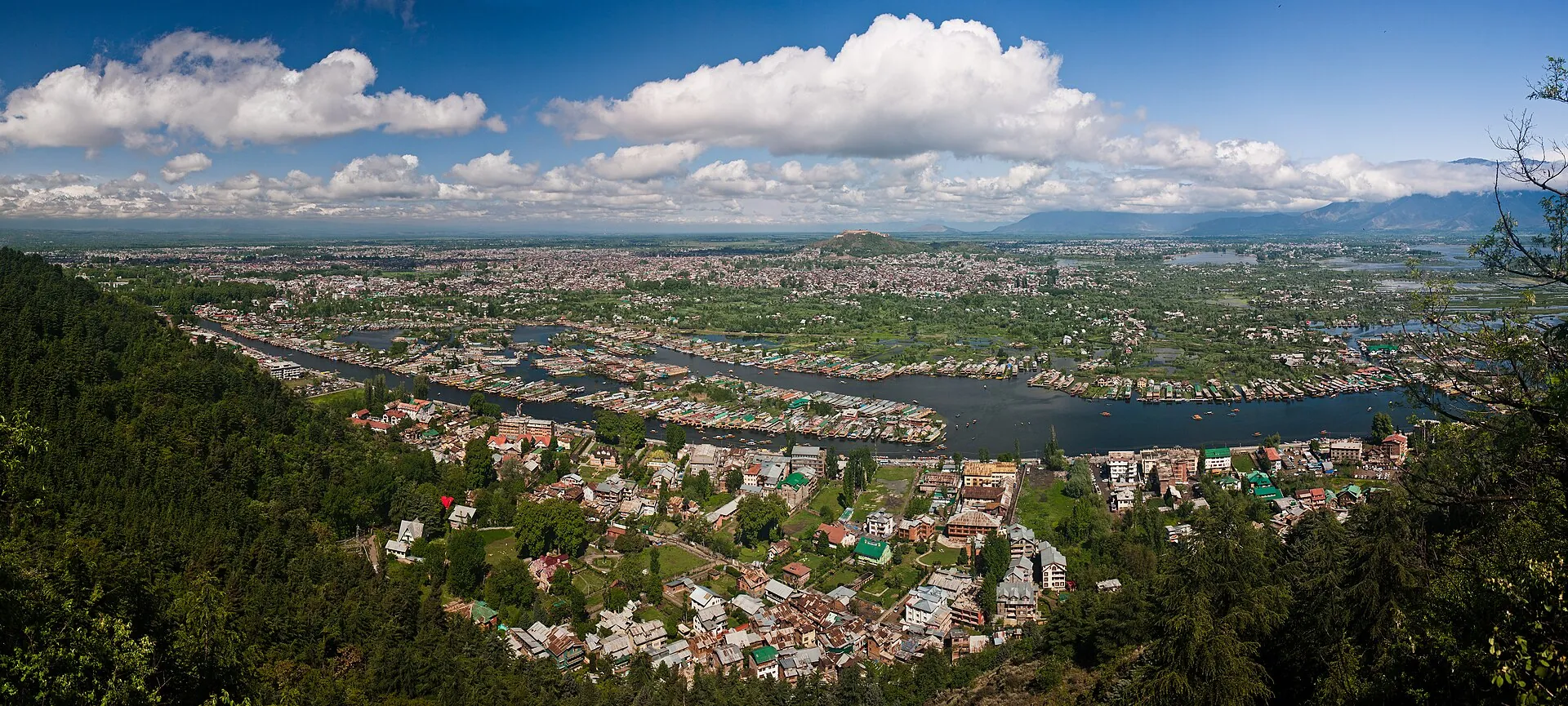
Perfectly manageable. The boulevard, the gardens, the old city and the bakeries are all navigable on foot and by shared transport or taxi. Most solo travellers spend their first two days doing exactly this and enjoying it.
Beyond the city, take a driver
Not for safety — for practicality. Buses to Gulmarg, Pahalgam and Doodhpathri are slow and infrequent, the roads are mountain roads, and signal disappears. A shared car for a day costs less than the time you would lose.
Gurez needs planning
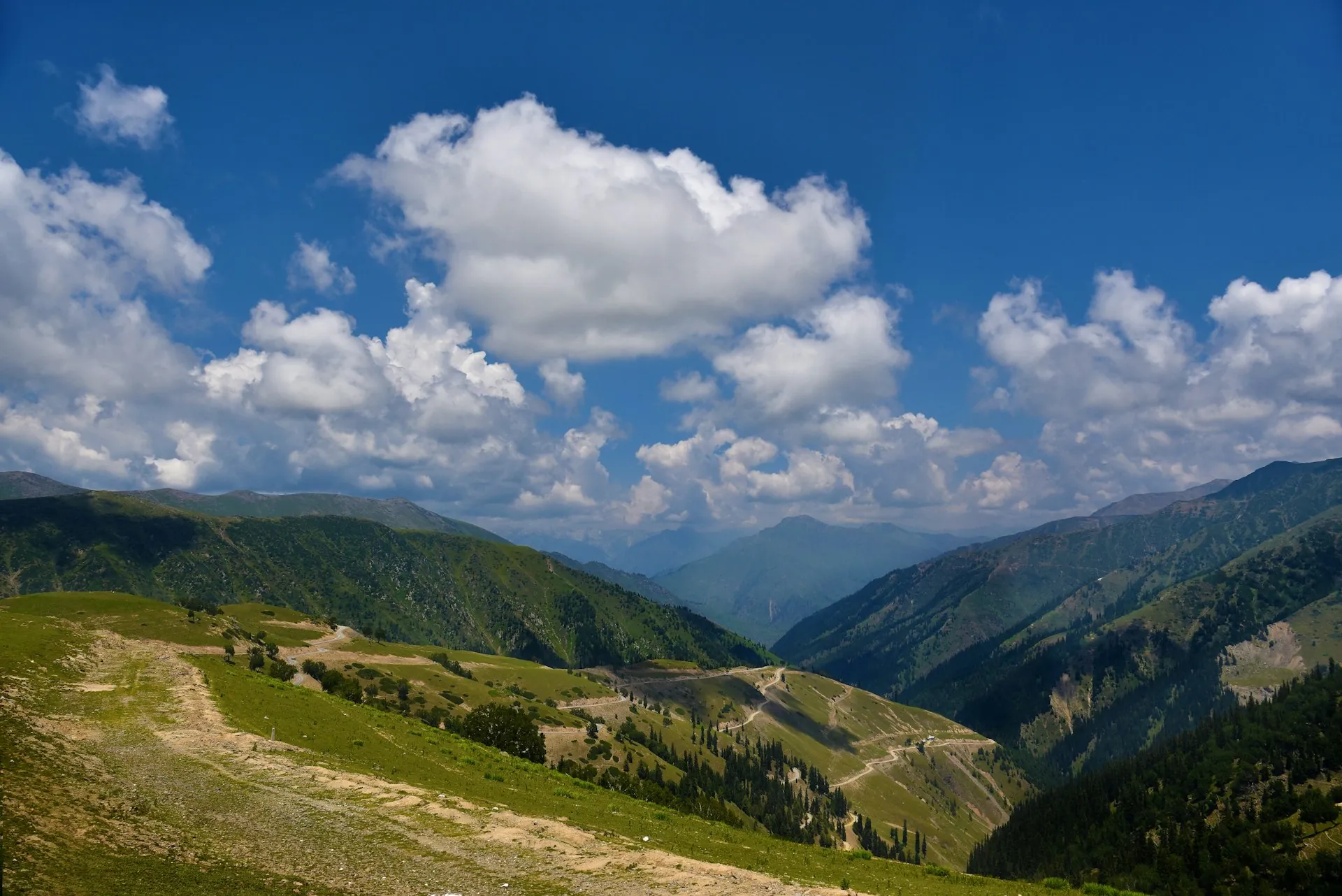
Five hours over a 3,300 m pass, an inner-line permit, homestays rather than hotels and almost no signal. Wonderful solo, but not somewhere to improvise. We arrange the permit either way.
Evenings are early
Outside the boulevard, Srinagar winds down early by Indian city standards. Plan dinner before nine and treat late-night wandering as something you do on the lake front rather than across town.
What it costs alone
There is a single supplement, and we would rather say so than bury it. Our rates are per person on twin-sharing, so travelling alone means paying for the room and the vehicle by yourself. On a six-day trip that is a meaningful difference, and no operator can make it disappear — a car costs what it costs regardless of how many seats are filled.
What genuinely narrows it: a family-run houseboat or a village homestay instead of a hotel, travelling in the quiet months of February, late August or September, and being willing to share a vehicle on the longer day trips. Ask us and we will tell you which of those is worth doing on your dates.
Where to stay
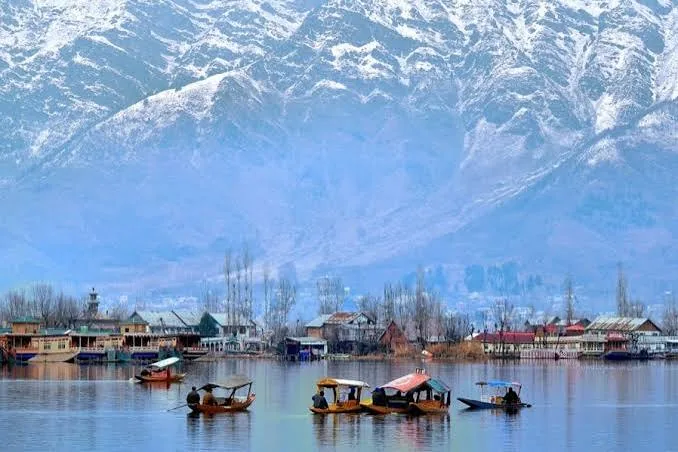
A family-run houseboat is our standard suggestion for solo guests. You get company at dinner if you want it and complete privacy if you do not, there is a family aboard overnight, and the boulevard outside is well-lit and busy until late. It is also, by some distance, the most characteristic place to sleep in Srinagar.
In the villages, homestays. In Gurez and Doodhpathri they are essentially the only option and they are the better experience anyway — tea in someone's kitchen, and a household that notices if you have not come back.
Questions people ask
Broadly yes, and solo women who come here usually report feeling less hassled than in many Indian cities — Kashmiri social norms are conservative and unwanted attention towards women is strongly frowned upon locally. That is not a guarantee, and the sensible precautions apply anywhere: arrive in daylight, use a driver you have arranged rather than one you meet at the airport, and keep someone informed of your plans.
Around Srinagar, easily — it is a walkable, navigable city with shared transport and plenty of taxis. Beyond it the case for a driver is practical rather than about safety: public transport to Gulmarg, Pahalgam and Doodhpathri is slow and infrequent, mountain roads are demanding, and mobile signal is patchy once you leave the valley floor.
Yes, and anyone who tells you otherwise is hiding it in the price. Our rates are quoted per person on twin-sharing, so a solo traveller pays for the room and the vehicle alone. Homestays and houseboats narrow the gap considerably, and travelling in the quiet months narrows it further.
A family-run houseboat is our usual suggestion. You get company at dinner if you want it and privacy if you do not, the family is there overnight, and the Dal Lake boulevard is well-lit and busy. Homestays work well in the villages and are the better choice in Gurez and Doodhpathri, where there are no hotels worth the name.
Kashmir is socially conservative and modest dress is appreciated, particularly around shrines and in the old city — covered shoulders and knees, and a scarf for women entering religious sites. Evenings wind down early outside the boulevard. Ask before photographing people. None of this is enforced on visitors; it simply makes the trip warmer.