This is the question we are asked more than any other, usually by people who have already decided they want to come and are looking for permission. You deserve a straight answer rather than either a brochure line or a headline, so here is ours, written by people who live in Srinagar and drive these roads every week. If you are still weighing the valley against the alternatives, we compare Kashmir with Himachal, Uttarakhand and Ladakh — including the cases where we would tell you to book somewhere else.
The short answer
The tourist circuit of Srinagar, Gulmarg, Pahalgam and Sonamarg hosts millions of visitors a year, and the overwhelming majority have an entirely uneventful trip. Tourism is one of the valley’s largest employers, which means an enormous number of people here have a direct stake in visitors being looked after.
That said, Kashmir is a place with a long political history, and we are not going to pretend otherwise. What that means in practice for a visitor is less about danger and more about occasional disruption: a road closed for a day, a change of plan, a slower journey. The practical risks worth planning around are almost entirely weather and altitude, not anything else.
April 2025, and what has changed since
No honest page about safety in Kashmir can skip this, so we will not. On 22 April 2025, gunmen attacked visitors at the Baisaran meadow above Pahalgam. Twenty-six civilians were killed, almost all of them tourists. It was the worst attack on visitors the valley has seen in decades, and it happened in one of the places we take guests.
The effect on travel here was immediate and severe. The Kashmir division received over 98 lakh visitors in 2024; in 2025 that figure fell to roughly 47 lakh. Arrivals in the first quarter of 2026 were still down around 30% year on year, and bookings from Europe and North America remain 40–50% below where they were. A great many families we know lost most of a year’s income.
What has changed since: security at tourist sites was substantially reinforced, the government announced the reopening of destinations that had been closed after the attack, and a memorial to those killed was announced at Baisaran. Domestic travel has come back faster than anyone here expected — recent months have counted over 12.5 lakh visitors, and hotels in Gulmarg and Pahalgam have run close to full through the season.
We are not going to tell you the risk is zero, because it is not, and nobody in this business who says otherwise is being straight with you. What we can tell you is that the ordinary shape of a trip here has not changed: in the seasons since, the things that have actually disrupted our guests’ holidays have been snow, wind and altitude. If you would rather wait, we understand that completely, and we will say so if we think a particular week is a bad idea.
What the tourist circuit is actually like
Srinagar is a working city of over a million people. You will see a security presence, particularly around government buildings and on the highway, and it is a normal part of the landscape here rather than a signal that something is happening. Visitors are generally treated with real warmth — Kashmiri hospitality is not a marketing line, it is a genuine cultural norm.
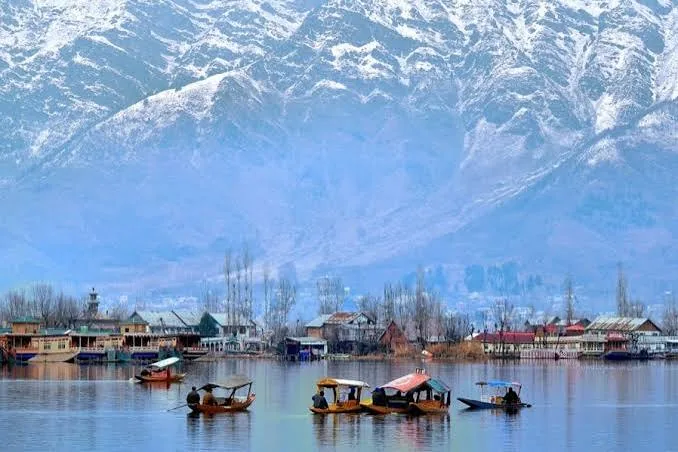
- Srinagar: busy, walkable around the lake, entirely routine for visitors.
- Gulmarg and Pahalgam: resort towns whose economies are built on tourism.
- Sonamarg: seasonal and remote but well travelled in season.
- Gurez: a border district with a permit system, quiet and closely managed.
What actually goes wrong on trips
In our experience the things that disrupt a Kashmir holiday are, in order of how often they happen:
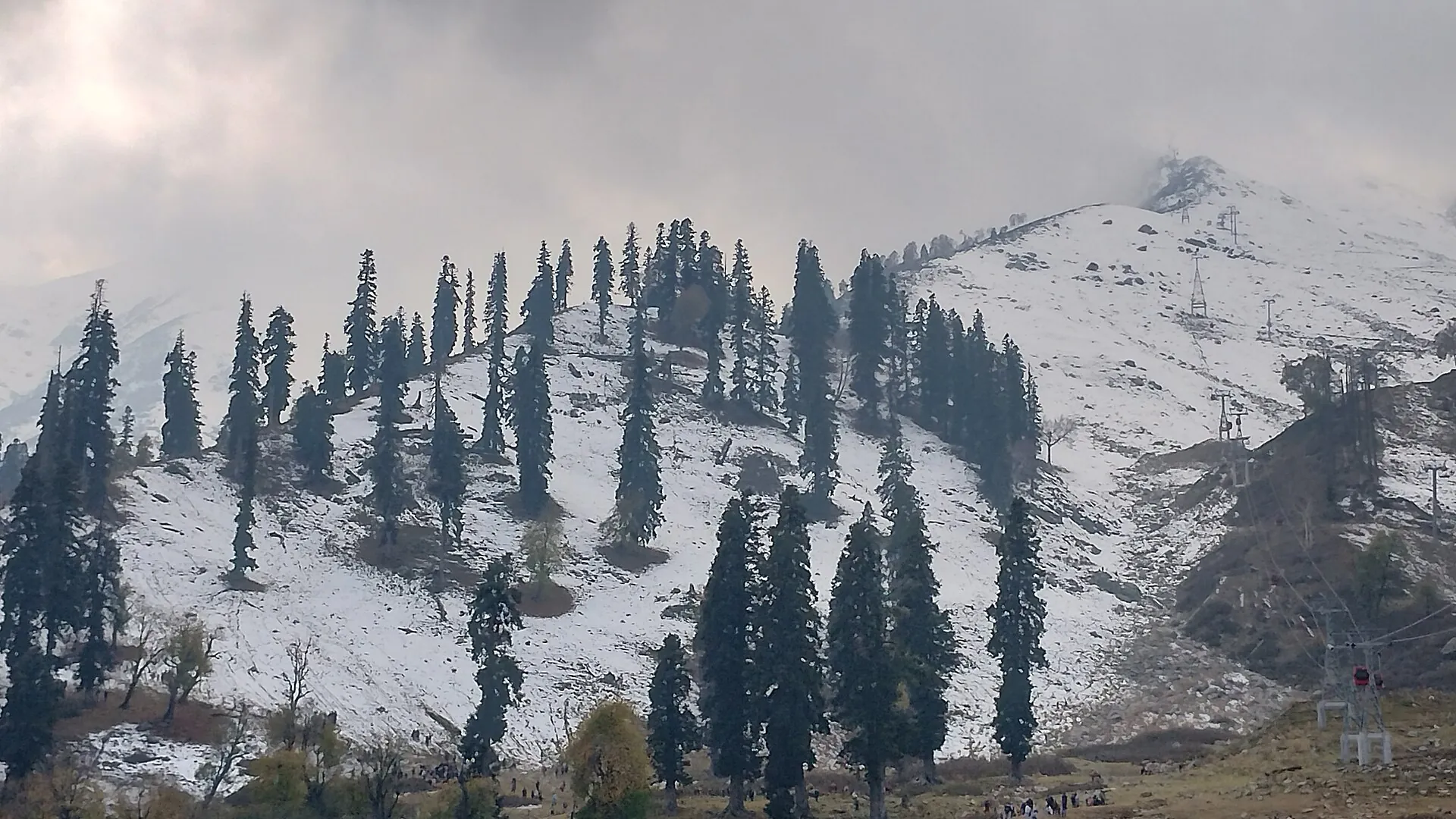
- Weather. Snow closes the Gulmarg road for a few hours; wind shuts the gondola’s upper phase; rain flattens a day of sightseeing.
- Altitude. Apharwat at 3,980 m leaves some visitors breathless. Take it slowly.
- Overambitious itineraries. Trying to fit Gulmarg, Pahalgam and Sonamarg into three days means spending the trip in a car.
- Unplanned costs. Not knowing about union taxis and gondola tickets until you are standing at the counter.
- Occasional strikes or road closures. Infrequent, usually announced, and the reason to keep a buffer day before an international flight.
The single best piece of safety advice for Kashmir is unglamorous: do not schedule a tight onward connection for the day you come down from Gulmarg or back from Sonamarg. Weather delays are ordinary here, and a buffer day removes most of the stress.
Practical advice worth following
Check current advice, but read it properly
Government travel advisories often cover the whole state of Jammu and Kashmir, including border areas that no tourist itinerary goes near. Read which districts an advisory actually names before drawing conclusions about a Srinagar holiday. If you are travelling on a foreign passport, check your own government’s current guidance and your insurance terms, since some policies exclude regions under advisory.
Use a local operator and keep a local number
If a road closes at nine at night, what matters is whether someone in the valley picks up the phone. A reseller in another city cannot move your driver or find you a different hotel. This is the practical argument for booking locally, and it matters more than the price difference.
Permits where they apply
Gurez requires a simple inner-line permit for Indian nationals, which any operator can arrange from a scan of your ID. Foreign nationals should carry a passport and register where required. The main circuit — Srinagar, Gulmarg, Pahalgam, Sonamarg — needs no permit at all.
Ordinary travel sense
The same things you would do anywhere: keep valuables close in crowded markets, agree prices before pony rides and shopping, and buy pashmina and saffron through your driver or trip manager rather than from whoever approaches you on the Boulevard. Fakes are the most common way visitors lose money here, and it is a shopping problem rather than a safety one.
Is it safe for families and solo women travellers?
Families make up a large share of visitors to Kashmir and the circuit is well set up for them — the main constraint is drive times rather than anything else. Solo women travellers do visit and generally report the valley as welcoming and conservative, in the sense that unwanted attention is less common than in many Indian tourist destinations. Dressing modestly is appreciated and is the local norm rather than a rule imposed on visitors.
Our honest position
We are a Kashmiri company, so we have an obvious interest in you coming. That is exactly why we would rather tell you the real shape of the risks: weather will probably change one day of your plan, altitude may make you slow at the top of the gondola, and a buffer day before your flight home is worth more than an extra sightseeing stop. Everything else is far more ordinary than the headlines suggest.
How to read the news about Kashmir
Kashmir appears in international news more often than most Indian destinations, and the coverage rarely distinguishes between the tourist valley and the border districts a hundred kilometres away. Two habits help.
- Check which districts are named. Advisories often cover the whole union territory of Jammu and Kashmir, including areas along the Line of Control that no tourist itinerary approaches. Srinagar, Gulmarg and Pahalgam are frequently not the subject of the warning at all.
- Check the date and whether it has been updated. Advisory pages persist long after the circumstances that prompted them, and news coverage is rarely revised when a situation settles.
None of this is an argument for ignoring official advice. It is an argument for reading it precisely, and for asking someone on the ground what a given week actually looks like. We will tell you if we think you should postpone — a cancelled trip costs us far less than an unhappy one.
What we actually do operationally
Safety for a visitor is mostly logistics rather than drama. The things that matter are unglamorous:
- Local drivers we know. Not a marketplace app. The same people, year after year, who know which roads are slow after rain.
- Daily condition checks. Road, gondola and weather status is checked every morning before your day is confirmed, and plans are reordered rather than cancelled.
- A local number that answers. Your trip manager is in Srinagar, on WhatsApp, and can physically reach you.
- Buffer built into the itinerary. We would rather lose a sightseeing stop than have you miss a flight.
- Winter-equipped vehicles. Chains fitted for the Tangmarg climb between December and March, not improvised on the day.
Travel insurance
Worth its own paragraph because it is the thing most visitors skip. Check whether your policy excludes regions under a government advisory, since some do, and whether it covers trip disruption rather than only medical costs. In Kashmir the far likelier claim is a weather delay than anything else, and many cheap policies cover the dramatic scenario while excluding the ordinary one.
Questions people ask
The tourist circuit of Srinagar, Gulmarg, Pahalgam and Sonamarg hosts millions of visitors a year and the overwhelming majority travel without incident. Arrivals fell sharply after the April 2025 Pahalgam attack, in which 26 civilians were killed, and have been recovering since, with Gulmarg and Pahalgam hotels close to full through the recent season. The risk is not zero and we will not claim it is. Check current government advice for the specific districts named, and keep a buffer day before any international flight.
Pahalgam is open and busy again, with hotels running close to full through the season, and security at the meadows and viewpoints was substantially reinforced after the April 2025 attack. We take guests there regularly. If you would prefer an itinerary that skips it — some people do, and it is a completely reasonable thing to ask for — say so when you enquire and we will build around Gulmarg, Sonamarg and Doodhpathri instead, without making it awkward.
Yes. Srinagar is a working city of over a million people and the lake front, the Mughal gardens and the old city are entirely routine for visitors. You will see a visible security presence, which is a normal part of the landscape here rather than a sign that something is happening. Ordinary city sense applies, as it would in Delhi or Mumbai.
Broadly yes. Solo women who travel here usually report less unwanted attention than in many Indian cities, because Kashmiri social norms are conservative and that behaviour is strongly disapproved of locally. That is a pattern rather than a guarantee. Arrive in daylight, use a driver arranged in advance rather than one who approaches you at the airport, and keep someone informed of your plans. There is more detail in our guide to solo travel in Kashmir.
Advisories change, so check your own government's current page rather than any operator's summary of it — including ours. The thing worth doing is reading it precisely: most advisories cover the whole union territory of Jammu and Kashmir, including border areas along the Line of Control that no tourist itinerary approaches, and they are often not updated when a situation settles. Check which districts are named and when the page was last revised. If you are on a foreign passport, also check whether your insurance excludes regions under advisory.
Yes. Families are a large share of visitors and the circuit is well set up for them. The main practical constraint is drive times between destinations rather than safety, which is why family itineraries should be paced more gently.
No permit is needed for the main circuit of Srinagar, Gulmarg, Pahalgam and Sonamarg. Gurez Valley requires a simple inner-line permit for Indian nationals, which operators arrange from a copy of your ID.
Weather, by a distance. Snow can close the Gulmarg road for a few hours and wind regularly shuts the upper gondola phase. Building a buffer day into the itinerary before your flight home removes most of the resulting stress.