Srinagar to Leh
Four hundred and twenty kilometres from a houseboat on Dal Lake to a monastery above the Indus, climbing the whole way. Most people fly into Leh and lose two days to a headache. This is the other way to arrive.
Why we build it in this direction
Leh sits at about 3,500 m. Fly in from Delhi and you go from 200 m to 3,500 m in ninety minutes, which the body handles badly — the first two days in Leh are famously spent lying down. Drive from Srinagar and you start at 1,585 m, sleep at roughly 2,700 m in Kargil, and reach Leh on the third day having earned the altitude. You arrive able to walk up to Shanti Stupa on the evening you get there.
The road is also the point. Zojila, the war memorial at Drass, the rock-cut Maitreya at Mulbekh and the moonland at Lamayuru are the journey people remember, and a flight passes over all of it at thirty thousand feet.
Srinagar to Leh itinerary — day by day
-
Day 1
Arrive Srinagar · a night on the water
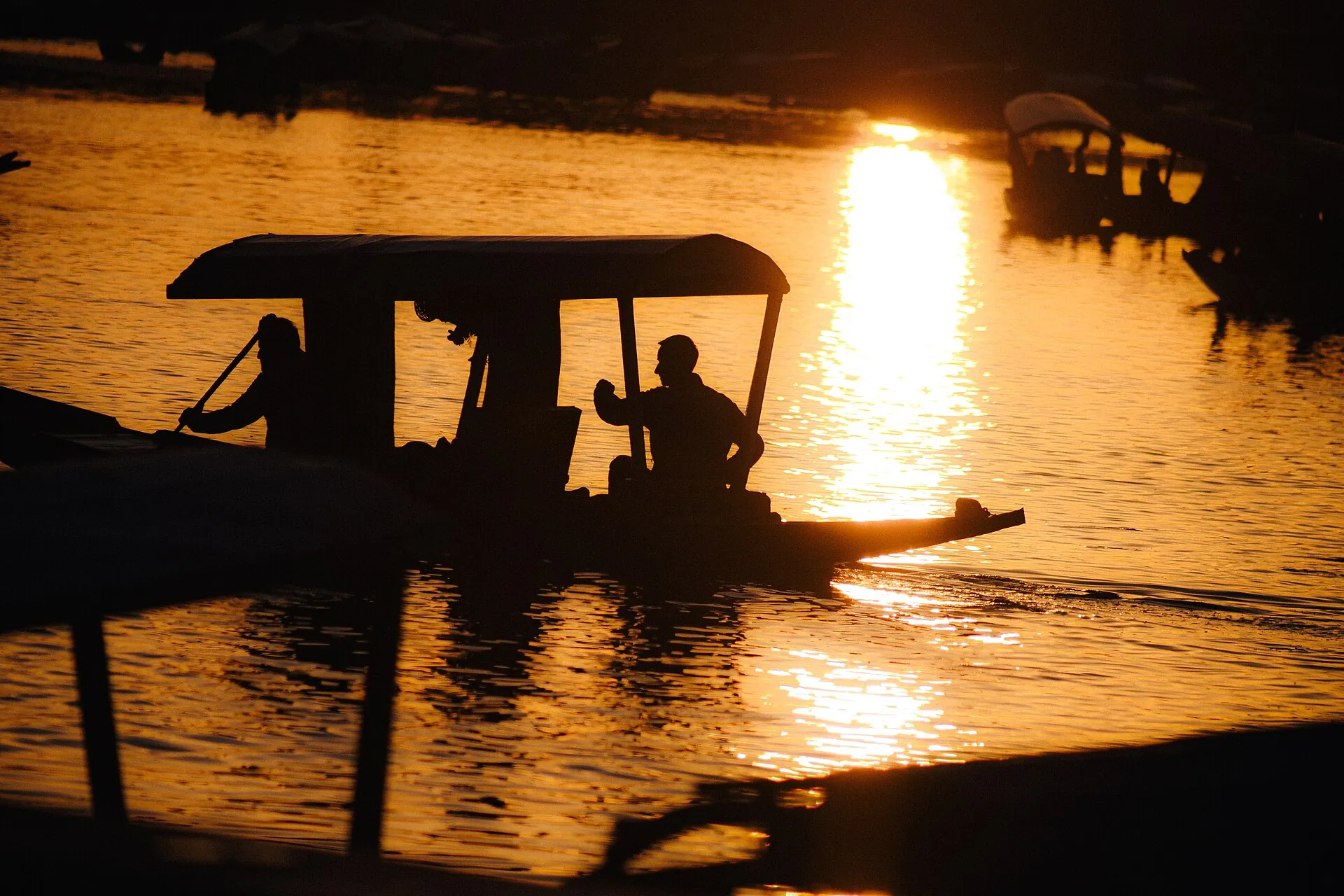
Airport pick-up, a houseboat on Dal Lake and a shikara at dusk. Srinagar sits at 1,585 m, which is where this trip deliberately begins.
-
Day 2
Srinagar to Kargil · over the Zojila
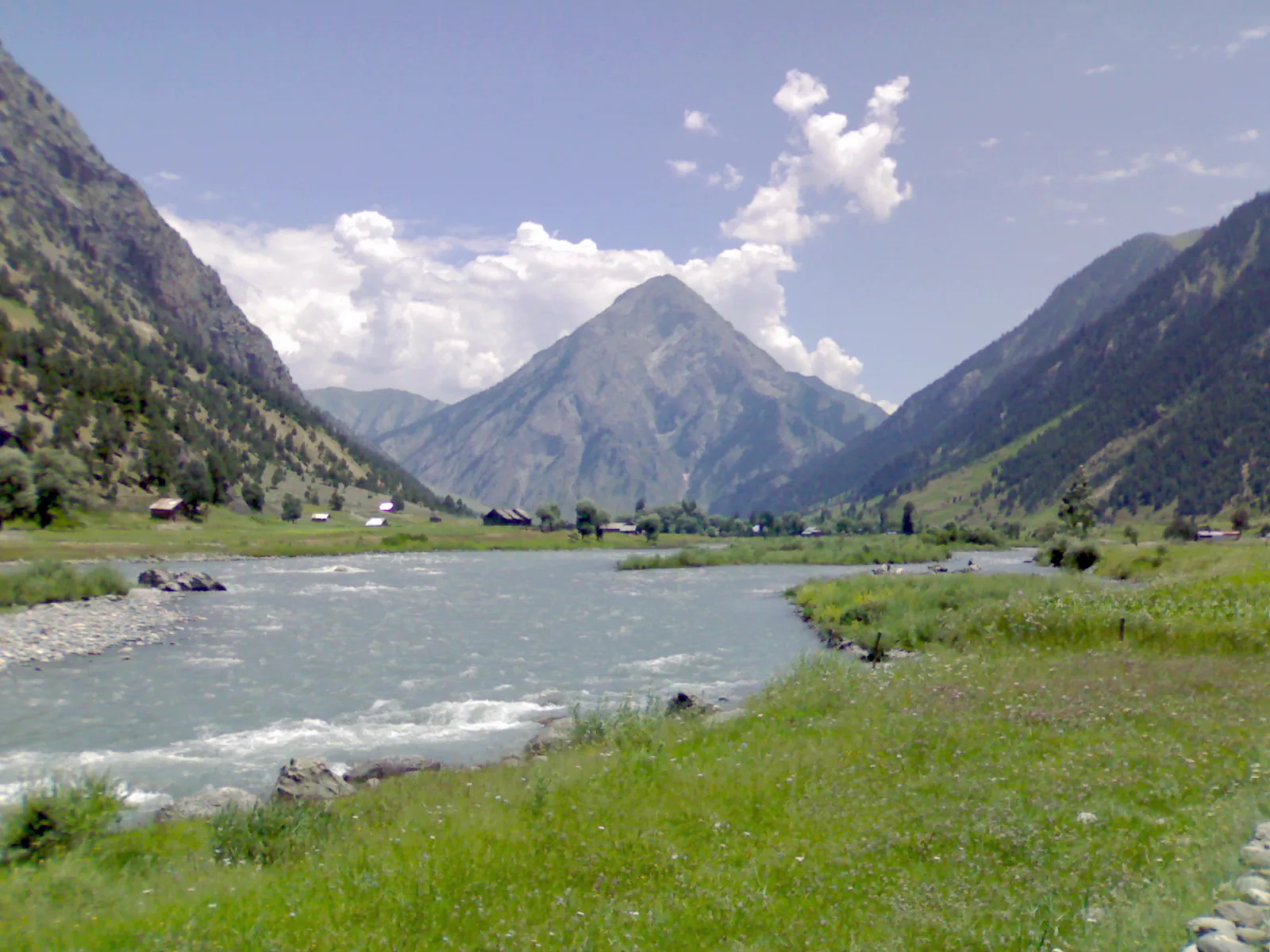
Through Sonamarg and up the Zojila pass at 3,528 m, the gateway out of the Kashmir valley and one of the more dramatic hours of road in the country. Down into Drass, the second-coldest inhabited place on earth, for the Kargil War Memorial. Night at Kargil, around 2,700 m.
-
Day 3
Kargil to Leh · Mulbekh, Fotu La and Lamayuru
The Maitreya Buddha carved into a rock face at Mulbekh, then over Namika La and Fotu La at 4,108 m, the highest point on the highway. Down through the eroded badlands at Lamayuru to its monastery, and into Leh by evening.
-
Day 4
Leh · the rest day that is not optional
A deliberately slow day at 3,500 m. Shanti Stupa, Leh Palace and the old bazaar, all at walking pace, nothing above the town. Skipping this day to squeeze in a pass is the single most common way a Ladakh trip goes wrong.
-
Day 5
Leh to Nubra over Khardung La
Across Khardung La at 5,359 m, among the highest motorable passes anywhere, and down into the Nubra valley. Diskit monastery with its great Maitreya looking up the valley, and the cold sand dunes at Hunder. Night in Nubra.
-
Day 6
Nubra to Pangong along the Shyok
The Shyok river road east to Pangong Tso at 4,350 m — a lake that changes colour hour by hour and runs most of its length across the border into Tibet. Night in a camp on the shore.
-
Day 7
Pangong to Leh over Chang La
Sunrise on the lake, which is the reason you slept in a tent. Then back over Chang La at 5,360 m, stopping at Thiksey and Shey as you come down the Indus valley into Leh.
-
Day 8
Leh · monasteries, or a day off
Hemis and Stakna down the Indus, or the Sangam where the green Zanskar meets the brown Indus, or nothing at all. By day eight most people have earned the choice.
-
Day 9
Depart Leh
Transfer to Leh airport for a morning flight — they nearly all leave early, before the wind gets up. Fly out rather than driving back: you have already seen the road.
What’s included
- Three-star hotels in Srinagar and Leh, simpler guest houses at Kargil and Nubra, and a fixed camp at Pangong — all twin-sharing
- Daily breakfast and dinner
- Inner Line Permits for Nubra and Pangong, arranged in Leh
- A private, non-shared vehicle for the whole route with a driver who works this road all season
- Airport pick-up at Srinagar (SXR) and drop at Leh (IXL)
- Oxygen cylinder carried in the vehicle
- Driver allowance, tolls, permits, parking and fuel
- A dedicated trip manager on WhatsApp for the whole trip
- 24x7 on-ground support from our Srinagar office
Not included
- Flights into Srinagar and out of Leh
- Lunches, and anything not listed under inclusions
- Monastery entry fees and camera charges
- Environment fee and Red Cross contribution payable at Leh
- Any additional night caused by a road or pass closure
- Travel insurance, tips and personal expenses
The altitude profile, honestly
This is the number that should decide whether you book this trip, so here it is in full rather than buried in a footnote.
| Night | Where you sleep | Altitude |
|---|---|---|
| 1 | Srinagar | 1,585 m |
| 2 | Kargil | ~2,700 m |
| 3 & 4 | Leh | ~3,500 m |
| 5 | Nubra | ~3,100 m |
| 6 | Pangong Tso | ~4,350 m |
| 7 & 8 | Leh | ~3,500 m |
Highest points crossed, none of them slept at: Zojila 3,528 m, Fotu La 4,108 m, Khardung La 5,359 m, Chang La 5,360 m. The rule the itinerary follows is climb high, sleep low — which is why Pangong comes on night six rather than night three.
Good to know
The pass decides the season
Zojila is cleared by the Border Roads Organisation each spring and closed again by snow, usually somewhere between late May and October. Nobody controls those dates and nobody can promise them in March. July to September is the dependable window. The Zojila tunnel is still under construction, so for now the pass is the only way through.
Permits, and why we need your documents early
Nubra, Pangong and Tso Moriri are protected areas. Indian nationals need an Inner Line Permit, foreign nationals a Protected Area Permit, and the two processes are not the same. We arrange them in Leh, but we need identity documents in advance — and foreign nationals should say so at the enquiry stage rather than on arrival.
Camps at Pangong are basic, genuinely
Fixed tents with attached bathrooms, generator power for a few hours in the evening, and blankets rather than heating. Nobody runs a comfortable hotel on that shore, and a brochure suggesting otherwise is showing you a photograph taken somewhere else. It is cold and spartan, and the lake at first light settles the argument.
Build in a spare day
Landslides after rain, a convoy on the Zojila, weather at a pass — a lost half-day on this route is unremarkable. Book your flight out of Leh with a day in hand if you can. If a closure costs you a night, we will find you a bed, but the cost of that night sits with you, and we would rather say so here than explain it at Kargil.
Questions people ask
Roughly from late May or early June until October, though the exact opening and closing depend entirely on snow at the Zojila pass and are decided by the Border Roads Organisation rather than by anyone’s calendar. July to September is the dependable window. Outside it the pass is shut and the only way to Leh is to fly. The Zojila tunnel is still under construction, so for now the pass is the pass.
Drive, if you have the days. Flying into Leh puts you at 3,500 m within an hour of leaving the plains, which is why so many visitors spend their first two days in bed with a headache. Coming by road from Srinagar you climb gradually over two days with a night at Kargil around 2,700 m, and you arrive acclimatised. It is also, by some distance, the better journey — Zojila, Drass, Mulbekh and Lamayuru are not scenery you pass over at 30,000 feet.
Yes. Nubra, Pangong, Tso Moriri and the Dah-Hanu villages are protected areas. Indian nationals need an Inner Line Permit and foreign nationals need a Protected Area Permit, both arranged at Leh with an environment fee and Red Cross contribution on top. We handle the paperwork for you in Leh, but we need your identity documents in advance, and foreign nationals should tell us at the enquiry stage because the process differs.
Real, common, and the main reason to take this trip seriously. You will sleep at 3,500 m in Leh, cross 5,359 m at Khardung La and sleep at about 4,350 m at Pangong. Mild headache and breathlessness are normal; worsening headache, vomiting or confusion are not, and mean going down. The itinerary is built around this — a night at Kargil on the way up, a full rest day in Leh before any pass, and Pangong late rather than early. Talk to your own doctor about acetazolamide before you travel, and tell us at the enquiry stage about heart or lung conditions.
It is a well-travelled highway used daily by civilian and military traffic, and Drass and Kargil are ordinary working towns. The risks are the ordinary mountain ones: landslides after rain, occasional convoy delays, and stretches with no barrier and a long drop. We drive it with local drivers who work this route all season, we start early so that no leg finishes in the dark, and we do not attempt Srinagar to Leh in one day — which is what most trouble on this road has in common.
Honest answer: basic. Pangong is fixed tented camps with attached bathrooms, limited generator power in the evening, and no heating beyond blankets. Nubra is a simple guest house or camp. Nobody runs a three-star hotel on the shore of Pangong Tso, and any brochure implying otherwise is showing you a photograph from somewhere else. It is cold, it is spartan, and the lake at first light makes up for it.